Bedtime Stories About Outer Space and the Moon
Simahla ukufunda, akukho akhawunti. Onke amabali asekwishelufu ayaphela.
The night sky has been a sleeping companion for children since long before electric lights dimmed our view of it. There is something profoundly settling about looking up (or imagining looking up) at stars that are impossibly far away, burning steadily through all of time. A bedtime story set in outer space, when it is told with wonder rather than urgency, invites a child's mind to expand outward and then grow very still, the way the universe itself is mostly stillness interrupted by occasional light.
The moon, in particular, holds a special place in the ritual of going to sleep. Cultures across the world have told children that the moon is watching over them, that it rises as they settle, that it has a journey of its own across the dark. These stories are not just comforting myths: they give children a sense of belonging to something larger and quieter than the busy day that is ending.
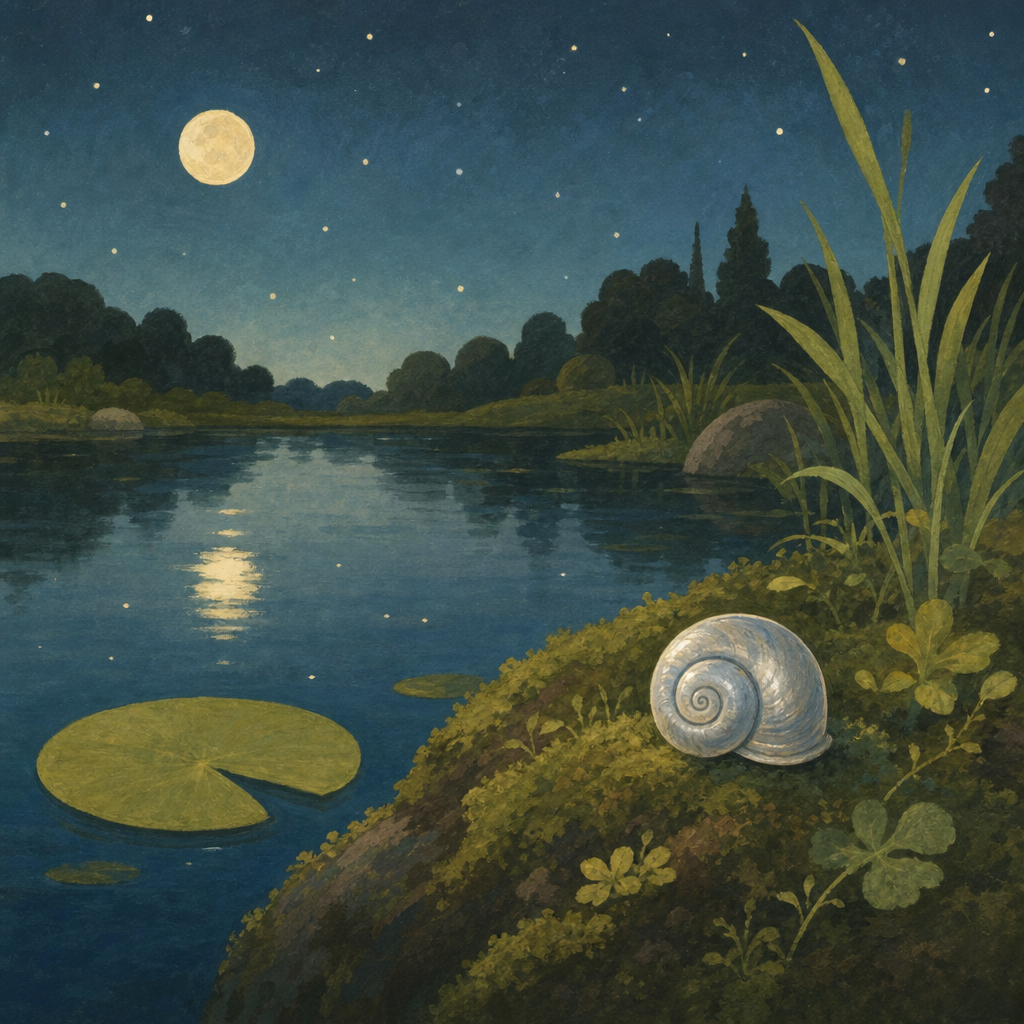
“The Snail Who Carried the Moon”
In the tall wet grass at the edge of the garden, a small snail named Pim woke up when the evening came. The day had been warm, and now the air smelled of rain that had already fallen and gone.
Pim stretched his soft grey body out of his shell, slow as honey.
The grass was cool. The sky was pink. Pim was in no hurry at all.
Funda lonke ibaliEli bali likwishelufu ukuze nabani na alifunde. Ihlabathi olenzayo libhalelwa ngokweenketho zakho.
Ihlabathi, isiphelo, amaqhezu asixhenxe.
Umzali wenza ihlabathi kube kanye, akhethe ukuba liphela njani phambi kwegama lokuqala, afunde incwadi enamaqhezu asixhenxe adityanisiweyo ngelizwi, nanini na usapho lukuthanda.
Khetha indawo.
Khetha indawo nabalinganiswa abambalwa, okanye wongeze abakho. Vumelanisa ubudala bokufunda nabomntwana wakho.
Khetha indlela esiphela ngayo.
Wonke umntu uyabuya ekhaya, into ithiwa ngqi njengesipho, okanye abalinganiswa bahlala ehlabathini labo. Nina nigqiba ngaphambi kokuba incwadi iqale.
Fundani kunye.
Jonga kuqala isahluko ngasinye xa unexesha. Funda ngokuvakalayo nanini na kufanelekile kusapho lwakho, kunye neencwadi zephepha ozonwabelayo.
Incwadi yokuqala ayirhafiswa. Yonke incwadi elandelayo iqala ngesahluko samahala, yaye intsalela yencwadi ngu-$14, kube kanye. Funda nanini na ukuthanda. Akukho sabhskripshini. Ixabiso lokuqala.
Yenza ihlabathiImibuzo eqhelekileyo
Why do children find outer space calming at bedtime?
The silence and scale of space can have a paradoxically settling effect on busy young minds. Stories set in space naturally slow the pace: there's no traffic, no noise, no rushing, just the slow arc of a spacecraft and the steady light of distant stars. Children who struggle to quiet their thoughts sometimes find that imagining the enormous, patient stillness of space gives their minds somewhere peaceful to rest.
Are space bedtime stories suitable for young children (under 5)?
Yes, especially when focused on the moon and stars rather than technical space travel. Young children respond beautifully to the moon as a companion: it rises when they sleep, it watches over the neighbourhood, it has a gentle, reliable presence. Stories that treat the moon as a warm, familiar character rather than a scientific object work wonderfully from around age 2 and up.
How does a bedtime space story handle the vastness of space without overwhelming children?
By zooming in. Rather than trying to encompass the entire universe, a good bedtime space story focuses on one small window, one particular star, one quiet moment aboard a spacecraft. The enormity is present as a felt sense, a backdrop, but the child's experience is intimate and specific. It's the difference between describing the ocean and describing the feeling of one wave washing over your feet.
Ndingalenza ihlabathi elijikeleze lo mxholo?
Ewe. Kwindawo yokusebenzela ukhetha indawo nabahlala kuyo, okanye uzichaze ngokwakho, wongeze nantoni na engenakuze yenzeke. Unokumnika igama umntwana wakho ukuba uyathanda. Emva koko ukhetha ukuba incwadi iphela njani, phambi kwegama lokuqala, ufunde amaqhezu ayo asixhenxe ngelizwi nanini na ilungele usapho lwakho.
Idla malini?
Incwadi yokuqala ayirhafiswa. Yonke incwadi elandelayo iqala ngesahluko samahala, yaye intsalela yencwadi ngu-$14, kube kanye. Funda nanini na ukuthanda. Akukho sabhskripshini. Ixabiso lokuqala.
Ndifuna iakhawunti ukuze ndifunde ibali?
Hayi. Amabali asethala lethu elikhululekileyo avulwa ngaphandle kweakhawunti. Iakhawunti yeyokugcina ihlabathi lakho.